Comparing Wedding Videography Packages in 2026: Complete Guide with Costs & Checklist
Choose the perfect wedding videography package with this complete guide: compare prices, filming styles, recording duration, and technical specifications, and avoid surprises with our wedding day checklist.
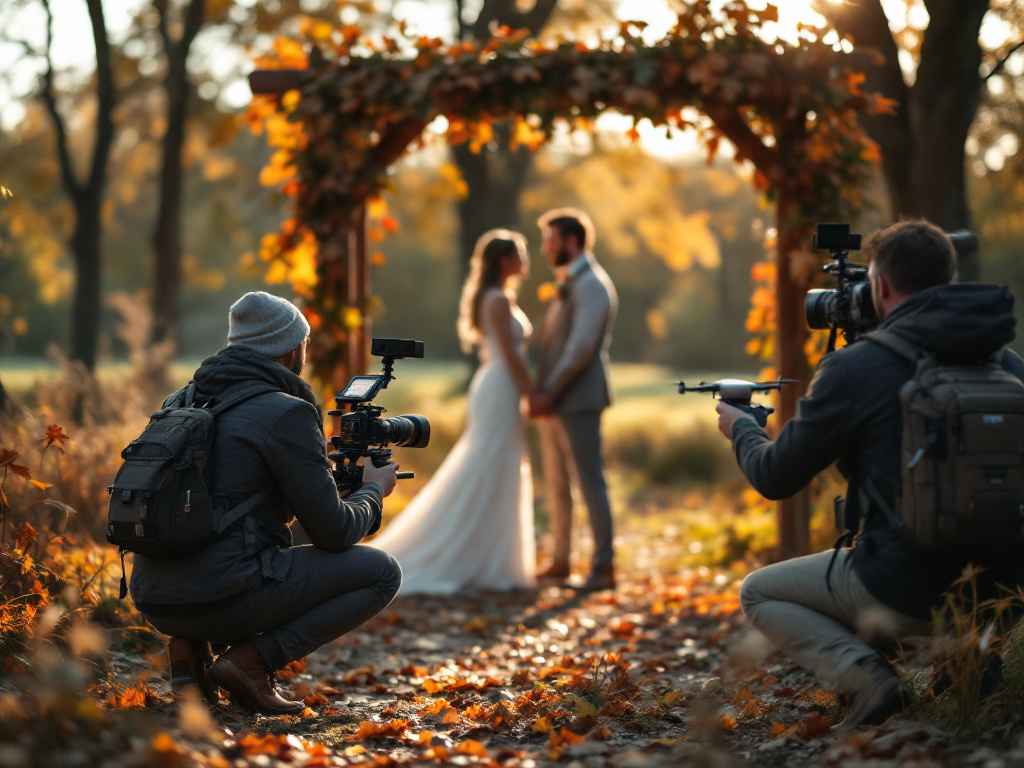
Comparing wedding videography packages is one of the most technical decisions you’ll make while planning your wedding. While wedding photography focuses on capturing moments, videography is about preserving movement, sound, and atmosphere — which requires different considerations. In this guide, we explain how to systematically compare packages, what the average costs are per package type (from basic to cinematic), which technical specifications matter (such as resolution, recording duration, and drone footage), and what to look for in the contract. This way, you’ll avoid disappointment with the quality or delivery time of your wedding film.
A good videography package is more than just a price and a number of recording hours. It determines how your story is told: from the intimate moments during the ceremony to the spontaneous dances at the afterparty. Below, we discuss the key components of a package so you can make an informed choice that fits your wishes and budget.
What’s Included in a Wedding Videography Package?
Every videography package consists of a combination of the following elements. The exact details vary by videographer, but these are the most common components:
- Recording Duration: The number of hours the videographer is present on your wedding day. This ranges from 4 hours (just the ceremony) to 12 hours or more (from preparations to the afterparty). Expect to pay €150–€300 per additional hour on top of the base package.
- Number of Cameramen: One cameraman is standard for basic packages, while cinematic packages often include two or more cameramen for multiple perspectives. This significantly affects the price: a second cameraman costs an average of €500–€800 extra.
- Filming Style: The way the footage is edited. Popular styles include:
- Documentary: A natural, chronological representation of the day, without extra effects.
- Cinematic: A film-like approach with color correction, slow-motion shots, and a dramatic edit.
- Storytelling: A combination of footage and voice-overs (e.g., your own story or interviews with guests).
- Delivery Time: The time the videographer needs to edit and deliver the final film. This ranges from 4 weeks (for a basic highlight film) to 6 months (for an extensive documentary).
- Technical Specifications:
- Resolution: 1080p (Full HD) is standard, but 4K is becoming increasingly common for sharper footage. Note: 4K files are much larger and require more storage space.
- Drone Footage: For aerial shots of the venue or ceremony. This isn’t allowed everywhere (see getting married on the beach in the Netherlands for regulations), and costs an average of €200–€400 extra.
- Sound Recording: Microphones for capturing vows, speeches, and ambient sound. This is essential for good audio quality.
- Deliverables: What exactly will you receive? Think of:
- A highlight film (3–5 minutes, the best moments of the day).
- A full-length version (30–90 minutes, the entire day in chronological order).
- Raw footage: Unedited recordings of the day, often for an additional fee (€200–€500).
- Teaser: A short promotional film (1–2 minutes) to share on social media.
- Livestream: For guests who can’t attend in person. This costs an average of €300–€600 extra.
How to Compare Wedding Videography Packages
Comparing packages starts with mapping out your wishes. Ask yourselves the following questions:
-
What’s Your Budget? Wedding videography packages vary widely in price, depending on duration, the number of cameramen, and the filming style. Below is an indication of the average costs in 2026:
Package Type Recording Duration Number of Cameramen Filming Style Cost (Indication) Basic 4–6 hours 1 Documentary €1,200–€1,800 Standard 6–8 hours 1–2 Cinematic €1,800–€2,800 Extended 8–12 hours 2 Storytelling €2,800–€4,500 Premium 12+ hours 2+ Cinematic/Story €4,500–€7,000+ Note: These prices are indications and may vary by region and videographer. Always ask for a detailed quote that includes all cost items.
-
Which Moments Do You Want Captured?
- Just the ceremony and dinner? Then a basic package of 4–6 hours is sufficient.
- Also the preparations (getting dressed, makeup) and the afterparty? Then you’ll need a package of 8–12 hours.
- Special requests, such as drone footage or a livestream? Discuss this with the videographer in advance, as not all venues allow it (see wedding venue costs 2026 for permits).
-
Which Filming Style Suits You?
- Choose a documentary style if you want a natural, unedited representation of the day.
- Go for cinematic if you prefer a film-like, emotional edit with lots of close-ups and slow-motion shots.
- Consider storytelling if you want to tell a personal story, for example with voice-overs or interviews.
-
How Important Is the Delivery Time?
- A basic highlight film is often ready within 4–6 weeks.
- An extensive documentary can take 3–6 months, depending on the videographer’s workload.
- Discuss the delivery time in advance and include it in the contract. Keep in mind that some videographers charge a rush fee for faster delivery (e.g., €200–€500 extra for delivery within 2 weeks).
-
Which Technical Specifications Matter?
- Resolution: 4K is ideal for sharp footage, but Full HD (1080p) is often sufficient and saves storage space.
- Drone Footage: Ask if the videographer has a drone permit and if the venue allows drone footage.
- Sound Recording: Ensure the videographer uses microphones to capture vows and speeches. This is essential for good audio quality.
- Backup Equipment: Ask if the videographer brings backup equipment, such as extra cameras and microphones, in case something goes wrong.
Checklist for Choosing a Wedding Videographer
Use this checklist to make your choice:
Before the Quote Meeting
- Determine your budget and wishes (recording duration, filming style, deliverables).
- Search for videographers in your region and review their portfolios. Pay attention to the filming style, quality of footage and sound, and whether their work suits you.
- Request at least three quotes and compare them based on the components above.
- Check reviews and experiences from other couples. Look for comments on professionalism, delivery time, and communication.
During the Quote Meeting
- Ask about the videographer’s experience. How many weddings have they filmed? Do they have experience with your type of venue (e.g., outdoor, church, or castle)?
- Discuss the filming style and ask for examples of previous weddings in that style.
- Ask about the technical specifications: resolution, drone footage, sound recording, and backup equipment.
- Discuss the delivery time and include it in the contract. Also ask about the possibility of rush delivery if needed.
- Ask about copyright. Who owns the footage? Are you allowed to edit or share the footage on social media?
- Discuss the payment terms. What’s the deposit? When is the rest due? Are there additional costs for travel or overtime?
Before the Wedding Day
- Create a shot list with the moments you want captured. Share this with the videographer in advance.
- Discuss the day’s schedule with the videographer and ensure they’re aware of any changes.
- Arrange a quiet space where the videographer can set up their equipment, especially during preparations.
- Inform the master of ceremonies or officiant about the videographer’s presence so they can take the recordings into account (see choosing a wedding officiant in the Netherlands 2026 for tips).
After the Wedding Day
- Ask about the raw footage and discuss whether you want to receive it (for an additional fee).
- Provide feedback after receiving the final film. Is everything to your liking? Are any adjustments needed?
- Share the film with family and friends, but pay attention to copyright. Some videographers don’t allow you to edit or share the footage on social media.
Frequently Asked Questions
What’s the Difference Between a Highlight Film and a Full-Length Version?
A highlight film is a short edit (3–5 minutes) of the best moments of your wedding day, while a full-length version (30–90 minutes) shows the entire day in chronological order. The highlight film is ideal for sharing with family and friends, while the full-length version is better suited for your own archive. The cost for a full-length version is typically €500–€1,500 higher than for a highlight film.
Do We Need to Create a Shot List for the Videographer?
A shot list isn’t mandatory, but it’s helpful to ensure all important moments are captured. Discuss the shot list with the videographer in advance so they can take it into account during filming. Think of moments like the first look, the exchange of rings, the first dance, and the speeches.
How Long Does It Take to Receive the Final Film?
The delivery time varies by videographer and package. A basic highlight film is often ready within 4–6 weeks, while an extensive documentary can take 3–6 months. Discuss the delivery time in advance and include it in the contract. Keep in mind that some videographers charge a rush fee for faster delivery.
Are We Allowed to Edit or Share the Footage on Social Media?
This depends on the copyright. Some videographers allow you to edit or share the footage, while others prohibit it. Discuss this in advance and include it in the contract. If you want to use the footage for your own edit or social media, ask for a version without a watermark or with a Creative Commons license.
What Happens If the Videographer Gets Sick on Our Wedding Day?
A professional videographer always has a backup plan. Ask in advance what their policy is in case of illness or unexpected circumstances. Some videographers work with a network of colleagues so there’s always a replacement available. This is an important point to include in the contract.
Is Drone Footage Always Allowed?
No, drone footage isn’t allowed everywhere. In the Netherlands, there are strict rules for drone use, especially near airports, nature reserves, and busy locations. Ask the videographer if they have a drone permit and if the venue allows drone footage. Some venues require a separate permit, which may incur additional costs (see wedding venue costs 2026 for more information).