Arranging Wedding Transport in 2026: Complete Guide with Costs, Tips, and Checklist (+ Regional Differences)
Everything you need to know to arrange wedding transport smoothly: from realistic costs and contract details to seasonal advice and permits. Includes a handy checklist to ensure nothing is overlooked.
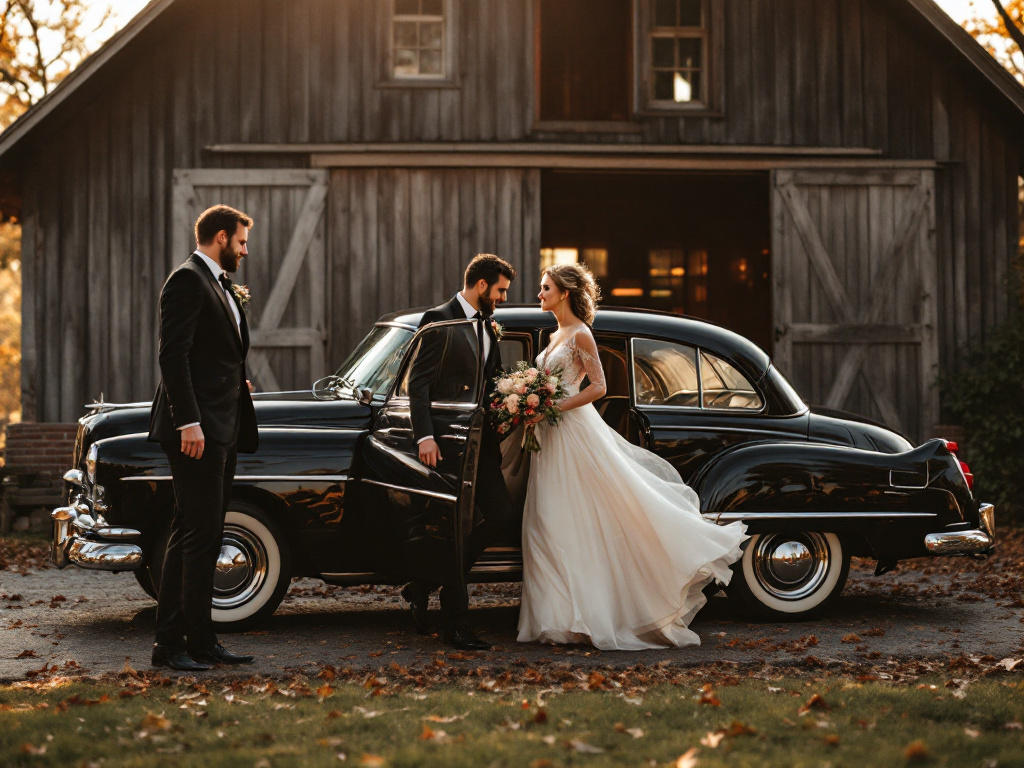
Planning a wedding in the Netherlands isn’t just about finding the perfect venue or creating a festive atmosphere—it’s also about ensuring you and your guests arrive on time and in style. Arranging wedding transport is a crucial part of your planning, but it’s often overlooked until the last minute. In this complete guide, you’ll learn how to tackle the process step by step, what costs to expect, which pitfalls to avoid, and how to account for regional differences and seasonal influences. This way, you’ll prevent stress and unexpected bills on your big day.
Why Wedding Transport Matters (and What Often Goes Wrong)
Wedding transport might seem like a small line item in your budget, but it can make the difference between a relaxed start to your day and a chaotic arrival. From experience, I know many couples only think about transport late in the planning process, leading to surprises:
- Time pressure: If the wedding car is delayed, your entire schedule can get thrown off. Always plan for at least 30 minutes of buffer time between arriving at the venue and the ceremony.
- Costs: Drivers often charge waiting time (€50-€80 per hour) if you stay longer than agreed. This is frequently overlooked in contracts.
- Regional differences: In cities like Amsterdam or Utrecht, permits are required for wedding cars on public roads, while rural municipalities often don’t have this requirement. In Friesland or Limburg, different rules may apply for horse-drawn carriages.
- Seasonal influences: In autumn and winter, roads can be slippery or muddy, affecting vehicle choices (e.g., 4x4s for outdoor venues). In summer, an open vintage car can become uncomfortably hot.
Well-arranged wedding transport ensures you arrive at your venue on time, safely, and comfortably—and that your guests don’t get lost or have to wait too long.
Step-by-Step: How to Arrange Your Wedding Transport
1. Determine Your Needs: Who, What, Where, and When?
Before requesting quotes, map out who needs transport and under what circumstances:
- Who? Just the bride and groom, or also parents, witnesses, bridesmaids, or guests?
- What? A classic wedding car, a van for guests, a vintage car, or something unique like a boat or horse-drawn carriage?
- Where? From home to the wedding venue, between venues (e.g., from the ceremony to the reception), or also for guests traveling from the train station to the venue?
- When? At what times does the transport need to be available? Account for traffic (rush hour in the Randstad) and potential waiting time.
Tip: Make a list of all necessary trips, including departure and arrival times. This prevents you from having to book additional trips later at higher rates.
2. Choose the Right Type of Transport
The Netherlands offers many options for wedding transport, each with its own pros and cons:
| Type of Transport | Suitable For | Costs (Indicative) | Pitfalls |
|---|---|---|---|
| Classic wedding car | Bride and groom, parents, witnesses | €400 - €900 per day | Limited space, not always suitable for large groups or bad weather. |
| Vintage car (e.g., Volkswagen Beetle) | Bride and groom, photo moments | €600 - €1,200 per day | High maintenance costs, less comfortable, not always reliable. |
| Luxury limousine | Bride and groom + small group | €800 - €1,500 per day | High costs, sometimes long waiting times in peak season. |
| Van or minibus | Guest transport (e.g., from station) | €300 - €700 per day | Less stylish, but practical for groups. |
| Horse-drawn carriage | Bride and groom, rural venues | €800 - €1,800 per day | Weather-dependent, permits required in some municipalities. |
| Boat | Weddings by the water | €500 - €1,500 per day | Only suitable for specific venues, weather-dependent. |
| Electric car | Sustainable weddings | €500 - €1,000 per day | Limited range, charging points needed. |
Note: In some cities (e.g., Amsterdam, Rotterdam, Utrecht), strict rules apply to wedding transport on public roads. For vintage cars or horse-drawn carriages, a permit may be required. Always check with the municipality of your wedding venue.
3. Request Quotes and Compare
Once you know what you need, it’s time to request quotes. Keep the following in mind:
- Request at least 3 quotes to compare prices. Costs can vary significantly depending on the region, type of vehicle, and duration of the rental.
- Check what’s included in the price:
- Number of hours (including waiting time?)
- Mileage allowance (some providers charge extra for trips outside a certain area)
- Driver (including attire, e.g., a formal suit or elegant outfit)
- Fuel (sometimes not included)
- Any necessary permits (e.g., for wedding cars in city centers)
- Read the fine print: Are there extra costs for waiting time, damage, or cancellation? What happens if the car is delayed?
Tip: Book wedding transport at least 6-9 months in advance, especially if you’re getting married during peak season (May-September). In autumn and winter, there’s often more availability, but keep weather conditions in mind.
4. Sign a Clear Contract
A good contract protects you from surprises. Ensure the following points are clearly stated:
- Date, times, and locations of all trips.
- Type of vehicle (including make, model, and color). Ask for photos if you haven’t seen the vehicle in person.
- Costs: Total amount, payment terms (deposit, final payment), and any additional costs (waiting time, mileage allowance).
- Cancellation policy: What are the costs if you cancel? Many providers charge a cancellation fee of 20-50% if canceled within 4 weeks of the wedding.
- Insurance: Is the vehicle insured for damage and liability? Who is responsible in case of damage or an accident?
- Driver: Is the driver experienced with wedding transport? Can they help carry your belongings (e.g., the wedding dress)?
- Weather plan: What happens in bad weather? Is an alternative vehicle available?
Note: Some providers have a "no-show" clause. If you’re not ready on time, they may charge extra for waiting time.
5. Plan a Test Drive or Inspection
If you’re opting for a special vehicle (e.g., a vintage car or horse-drawn carriage), it’s wise to plan a test drive or inspection. This ensures the vehicle meets your expectations and there are no surprises on the big day.
- Check the vehicle’s condition: Are there scratches, dents, or other damage? Take photos and document it in the contract.
- Test comfort: Does the wedding dress fit in the car? Is there enough legroom? Is the air conditioning or heating working properly?
- Practice the route: Drive from home to the wedding venue to see how long it takes and if there are any obstacles (e.g., narrow bridges or low overpasses).
Tip: Ask the driver for tips on getting in and out of the car, especially if you’re wearing a long dress or a fitted suit.
6. Communicate with Your Wedding Venue and Vendors
Wedding transport affects other aspects of your wedding. Make sure you inform the following parties:
- Wedding venue: Let them know when you expect to arrive and where the car can park. Some venues have a separate parking spot for wedding cars.
- Photographer: Agree on where the photographer can capture you getting in and out of the car. These are often beautiful moments for photos.
- Master of ceremonies: Ensure they know your arrival time so they can inform guests and start the ceremony on time.
- Guests: If you’re arranging transport for guests, clearly communicate where and when they should gather. For example, send a map with directions or create a WhatsApp group for updates.
Tip: Create a schedule for the driver so they know exactly where and when to be. Include buffer time for traffic or unexpected delays.
Costs of Wedding Transport in 2026: What to Expect
The costs of wedding transport vary widely depending on the type of vehicle, the region, and the duration of the rental. Below is an overview of realistic prices in 2026, including regional differences:
| Type of Transport | Costs (Indicative) | Regional Differences |
|---|---|---|
| Classic wedding car | €400 - €900 per day | More expensive in the Randstad (€600-€900), cheaper in rural areas (€400-€700). |
| Vintage car | €600 - €1,200 per day | Popular in historic cities like Utrecht or Maastricht (€800-€1,200). |
| Luxury limousine | €800 - €1,500 per day | €1,000-€1,500 in Amsterdam or Rotterdam, €800-€1,200 in smaller cities. |
| Van or minibus | €300 - €700 per day | Cheaper in the north (€300-€500), more expensive in the west (€500-€700). |
| Horse-drawn carriage | €800 - €1,800 per day | Cheaper in Friesland or Gelderland (€800-€1,200), more expensive in the Randstad (€1,200-€1,800). |
| Boat | €500 - €1,500 per day | Depends on size and location. More expensive in Giethoorn or Amsterdam (€800-€1,500). |
| Electric car | €500 - €1,000 per day | Roughly the same everywhere, but depends on charging options. |
Additional costs to consider:
- Waiting time: €50-€80 per hour if you stay longer than agreed.
- Mileage allowance: €0.50-€1.00 per kilometer for trips outside a certain area.
- Permits: €50-€150 for permits in cities like Amsterdam or Utrecht.
- Decoration: €50-€150 for flowers, ribbons, or other decorations on the car.
- Driver attire: Sometimes extra costs for a formal outfit (€50-€100).
Tip: Always ask for an all-in price to avoid surprises. Some providers offer packages that include decoration, champagne, and a photo moment.
Seasonal Advice: Wedding Transport by Season
The season in which you get married has a big impact on your choice of wedding transport. Below is seasonal advice:
Spring (March - May)
- Weather: Unpredictable, with a chance of rain and wind. Be prepared for muddy roads at outdoor venues.
- Vehicle choice: Opt for a closed car or a 4x4 if you’re getting married outdoors. A horse-drawn carriage can be beautiful but is weather-dependent.
- Tips:
- Book early: spring is a popular wedding season, especially May.
- Ask for a heated car if you’re traveling early in the morning or late in the evening.
- Bring an umbrella or rain cover for the wedding dress.
Summer (June - August)
- Weather: Warm and sunny, but sometimes uncomfortably hot. Be prepared for traffic and crowded roads.
- Vehicle choice: An open vintage car can be romantic but may get too hot. Choose a car with air conditioning.
- Tips:
- Book well in advance: summer is the busiest wedding season.
- Plan trips outside rush hour (7:00-9:30 AM and 4:00-6:30 PM) to avoid traffic.
- Ensure there’s enough water and ventilation in the car.
Autumn (September - November)
- Weather: Cooler, with a chance of rain, wind, and fog. Leaves on the road can be slippery.
- Vehicle choice: A classic wedding car or van is practical. A horse-drawn carriage can be beautiful but is weather-dependent.
- Tips:
- Choose a vehicle with good heating and windshield wipers.
- Keep in mind shorter days: if you’re traveling late in the afternoon or evening, ensure the car has lights.
- Ask for an anti-slip mat if you’re getting married at a muddy venue.
Winter (December - February)
- Weather: Cold, with a chance of snow, ice, and slippery roads. Be prepared for dark days.
- Vehicle choice: A 4x4 or a car with winter tires is recommended. A horse-drawn carriage is less suitable due to the weather.
- Tips:
- Book early: winter is a popular season for intimate weddings.
- Ensure the car is heated and bring blankets for the bride and groom.
- Plan extra time for weather-related delays.
Checklist: Arrange Wedding Transport Without Stress
Use this checklist to ensure you don’t forget anything when arranging your wedding transport:
6-9 Months in Advance
- Determine who needs transport (bride and groom, parents, guests, etc.).
- Choose the type of transport (car, van, vintage car, horse-drawn carriage, etc.).
- Check with the municipality about any necessary permits.
- Request at least 3 quotes and compare prices and terms.
3-6 Months in Advance
- Book the transport and pay the deposit.
- Sign a clear contract with all agreements.
- Plan a test drive or inspection (if possible).
- Inform your wedding venue, photographer, and master of ceremonies about the transport.
1-2 Months in Advance
- Confirm all details with the transport provider (times, routes, driver attire).
- Create a schedule for the driver.
- Arrange any decorations for the car (flowers, ribbons, etc.).
- Inform your guests about the transport (if applicable).
1 Week in Advance
- Confirm all agreements with the transport provider again.
- Check the weather forecast and adjust the plan if necessary.
- Have a backup plan in case of bad weather (e.g., an alternative vehicle).
On the Wedding Day
- Ensure you’re ready on time for departure.
- Check that the car is clean and tidy.
- Take photos of the vehicle (before and after the trip).
- Thank the driver at the end of the day.
Frequently Asked Questions
How far in advance should we book wedding transport?
Book wedding transport at least 6-9 months in advance, especially if you’re getting married during peak season (May-September). In autumn and winter, there’s often more availability, but keep weather conditions in mind. Booking early gives you more options and prevents disappointment.
Can we drive ourselves on our wedding day?
Technically, you can drive yourselves, but it’s not recommended. On your wedding day, you’ll already have enough on your mind, and it’s important to arrive relaxed and safely. Plus, it’s difficult to drive in a wedding dress or a fitted suit. A professional driver ensures you arrive on time and without stress.
What do we do if the wedding car is delayed?
Delays are always frustrating, but with a good plan, you can minimize the impact. Ensure your wedding venue and master of ceremonies know your arrival time and ask them to inform guests if there’s a delay. Always plan buffer time between arrival and the ceremony so you don’t run into time constraints. If the delay is longer than 30 minutes, consider implementing a backup plan (e.g., a taxi).
Do we need to apply for a permit for wedding transport?
In some cities (e.g., Amsterdam, Rotterdam, Utrecht), a permit is required for wedding cars that park or drive on public roads. This especially applies to vintage cars and horse-drawn carriages. Always check with the municipality of your wedding venue to see if a permit is needed. Costs range from €50 to €150, depending on the municipality.
How much does wedding transport cost on average?
The costs of wedding transport vary widely depending on the type of vehicle, the region, and the duration of the rental. On average, costs range from €400 to €1,500 per day. Additionally, consider extra costs for waiting time (€50-€80 per hour), mileage allowance (€0.50-€1.00 per kilometer), and any permits (€50-€150). Always ask for an all-in price to avoid surprises.
Can we combine wedding transport with guest transport?
Yes, you can! Many couples arrange a van or minibus to transport guests, for example, from the train station to the wedding venue. This is especially useful if you’re getting married at a remote location or if many guests are traveling from afar. The costs for a van range from €300 to €700 per day, depending on size and region. Ensure you clearly communicate where and when guests should gather and provide them with a contact person for questions.
Arranging wedding transport doesn’t have to be a stressful task. With this guide and checklist, you’ll be well-prepared for the day—and you can enjoy a relaxed ride into your new life together. Good luck with your preparations!
Read also:
- Visiting a wedding venue? Here’s your complete checklist for tips on choosing the perfect venue.
- Dividing your wedding budget in 2026: step-by-step allocation (+ realistic amounts & template) to manage your budget effectively.